
Oil Spills
A guest post by Chris Nunez on how to handle local oil spills that pollute our water sources.

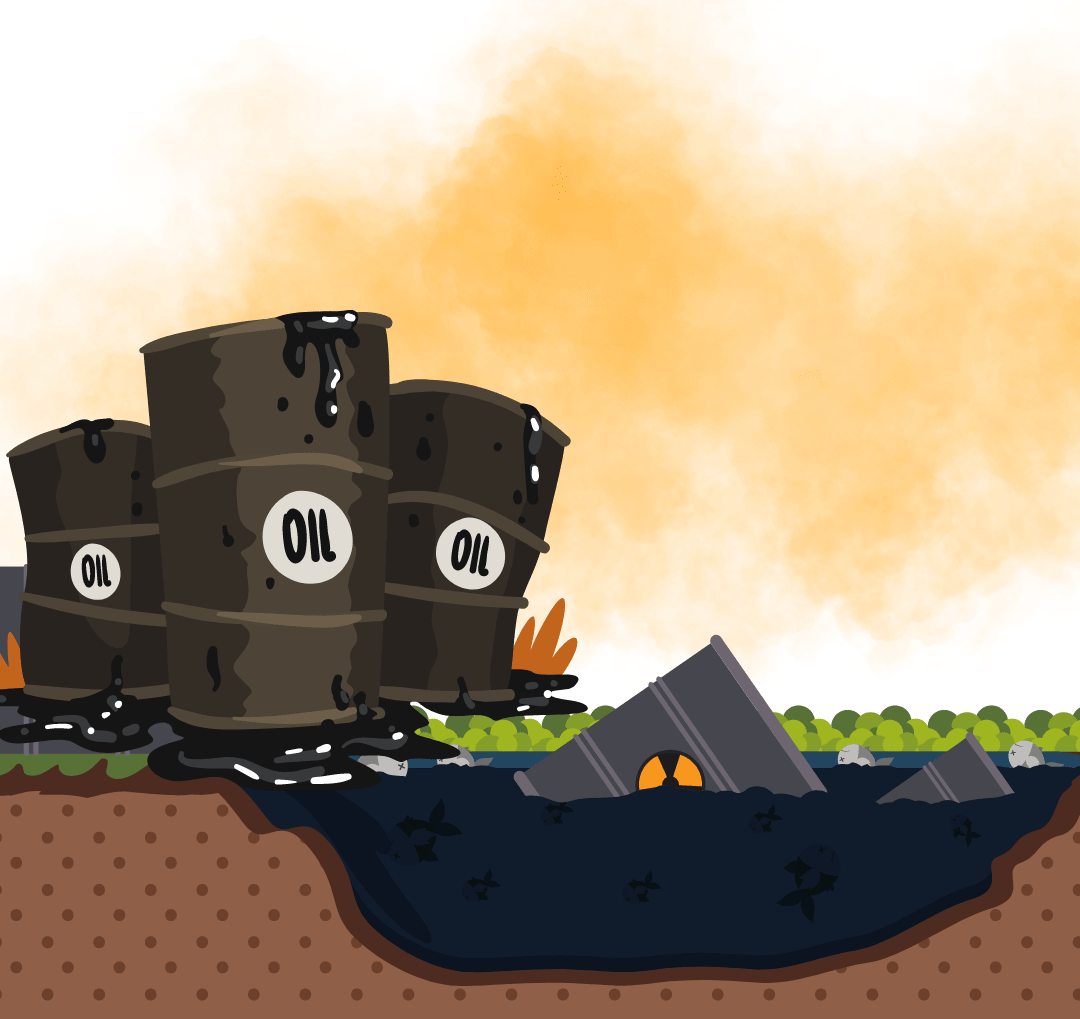
As a dedicated Spill Responder at the Washington State Department of Ecology, my mission is to respond swiftly and effectively to spill situations. From cordoning the affected area to identifying the materials involved, implementing spill control measures, and ensuring the safety of individuals through victim search and emergency service involvement, my responsibilities extend to comprehensive cleanup and thorough decontamination. In this article, I would like to share lessons learned from significant incidents, and actionable steps to prevent and address these oil spills.
How do oil spills affect our environment?
Oil spills are an environmental nightmare. They lead to the immediate contamination of water bodies they are in contact with like oceans, seas, or lakes. They affect marine and wildlife in the vicinity and the marine food chain. Different types of oil have varying levels of toxic chemicals and heavy metals that can accumulate in organisms and cause chronic health issues over time. They also cause long-term damage to coastal habitats.
Events like the Exxon Valdez and the Deep Water Horizon spills forever scarred the environment, and remain memorable to all of us. But most oil spills aren’t such large stains on the shores of history. Most spills are small (less than 100-1000 gallons) and unintended. A leaking hydraulic line, a refueling mistake, or a small collision are all common spill incidents like the one in Westport, Connecticut.
Oil spills are environmental catastrophes, but can be prevented and mitigated. Learn and be prepared on what you can do to help prevent it and what to do when you witness it.
National Response Center – A 24-hour emergency response call line run by the USCG takes reports on marine casualties and pollution incidents.
What can I do about oil spills?
Small spills can be mitigated by following proper prevention measures, being prepared when they occur, and being careful through all processes.
Ensure your vehicles/vessels are fully serviced, and do not let maintenance issues go unattended.
Carry a small spill kit in your car or boat. These kits don’t need to be highly specialized. Some rags, duct tape, a toolbox, and kitty litter are sufficient for a small kit. Yes, that is correct, kitty litter! The high sorbent material is a tremendous asset in collecting spilled liquid on a solid surface, like a roadway. The material can then be swept up or vacuumed later.
Don’t risk your safety for larger spills or any spill of an unknown material. There are public agencies that have designated responders dedicated to doing these kinds of tasks. Keep a list of spill response agencies.
U.S. navigable waters are protected by the USCG and the EPA. Both can receive reports of oil spills and/or releases of reportable quantities of hazardous materials via the National Response Center [1(800) 424-8802].
Know who your local agencies are when it comes to reporting and cleaning spills. Looking up county or city agencies can depend on if spills are to soil, water, or the road but agencies should be able to connect you to the right department. Here’s an example for the state of Washington.
As a Spill Responder in Washington, my commitment extends to promoting a culture of responsibility. Let’s work together to minimize the impact of oil spills, contribute to safeguarding our waters and marine life, and ensure a healthier future for our environment.
 | A guest post by
|